2

Skip to main content

Y2 Design Build

How Much Does A Whole House Renovation Cost?

A Complete Guide for Homeowners | Updated 2026

How Much Does a Whole House Renovation Cost?

Let me be straight with you.

When homeowners come to us at Y2 Design Build, they almost always ask the same question early on: “So… what’s this going to cost?” And the honest answer — the one most contractors won’t give you — is: it depends. But not in a vague, evasive way. It depends on very specific things, and once you understand those things, the number starts to make a lot more sense.

We’re a design-build firm and general contractor based in Columbus, Ohio. That means we handle both the design side and the construction side of every project. We’ve renovated dozens of homes — most of them built in the 1950s through 1970s, typically 2,000 to 3,000 square feet — and we’ve seen every kind of surprise, challenge, and transformation you can imagine.

This post is my attempt to give you the honest, experience-based answer that you actually need. Not a national average pulled from a spreadsheet. Real numbers, real scope, and the things nobody tells you until it’s too late.

First: What Do People Actually Mean by ‘Whole House Renovation’?

Here’s something that comes up constantly. A homeowner calls us and says they want a “whole house renovation” — and what they really mean is they want to update their kitchen and maybe two bathrooms.

That’s not a criticism. It’s just that the phrase gets used loosely, and clients often don’t fully understand what it means until we walk through the home together.

A true whole house renovation means you’re touching almost every room and system in the home. In our experience, that typically includes:

  • Kitchen — layout changes, custom cabinetry, new appliances, countertops
  • All bathrooms — primary bath, secondary baths, powder room
  • Bedrooms
  • Laundry room and pantry
  • Flooring, trim, and paint throughout
  • Windows and exterior doors
  • Curb appeal — landscaping, driveway, exterior finishes
  • Mechanicals — HVAC, electrical panel, plumbing updates


That’s a lot. And for a home that’s 50 to 70 years old, many of those systems are overdue for an update whether you planned on it or not.

Quick Takeaway

“Most clients think they’re asking for a multi-room remodel. What they’re actually describing — without realizing it — is a whole house renovation. The scope surprises them. The transformation surprises them even more.”

The Real Cost Breakdown: Three Tiers

Based on our work with Columbus-area homeowners, here’s how we think about whole house renovation costs:

Tier

Cost Range

What You Get

Refresh Package

$100,000 – $175,000

Kitchen and bath updates, new flooring throughout, paint, lighting, trim, hardware, interior doors — the upgrades that make a home look brand new without structural changes.

Transformation Package

$175,000 – $350,000

Load-bearing wall changes, full kitchen remodel, primary suite, new mechanicals (HVAC, electric, plumbing), some windows, new flooring, high-end finishes throughout.

Complete Reimagine + Exterior

$350,000 – $500,000+

Everything above, plus all windows, siding, exterior doors, landscaping, driveway, and full curb appeal transformation.

Those numbers reflect homes in our market. If you’re in a higher cost-of-living area, expect to adjust upward. But the ratios and the logic behind what moves the needle? That’s universal.

What Actually Drives The Cost Up ( The Surprises Homeowners Don't See Coming)

This is the section I wish every homeowner would read before they start getting quotes. Because the surprises aren’t really surprises — they’re predictable once you know what to look for.

Load-Bearing Walls

Opening up a floor plan is one of the most impactful things you can do to an older home. Remove a wall between the kitchen and living room and you completely transform how the space feels and functions. Homeowners love it. We love doing it.

But here’s what most people don’t realize: load-bearing walls don’t just hold themselves up. They’re holding up everything above them — floors, roof structure, sometimes the whole house. When you remove one, you need a properly engineered beam, temporary supports during construction, and often work that touches the foundation below and the roof framing above.

The lesson: never assume a wall can come down without a structural conversation first. We always assess this in pre-construction.

Pro Tip

“A load-bearing wall change can add $10,000 to $25,000 to a project depending on span and complexity. But the transformation is worth every penny when it’s done right.”

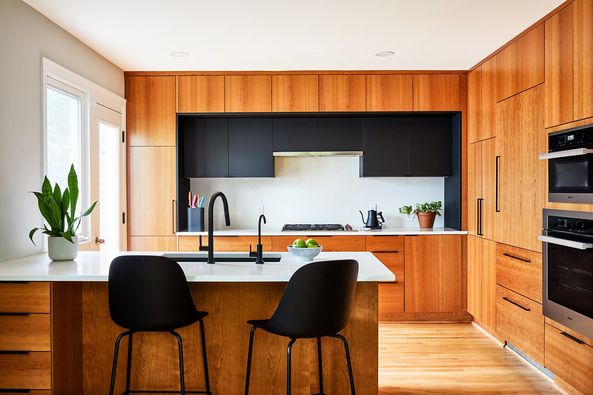
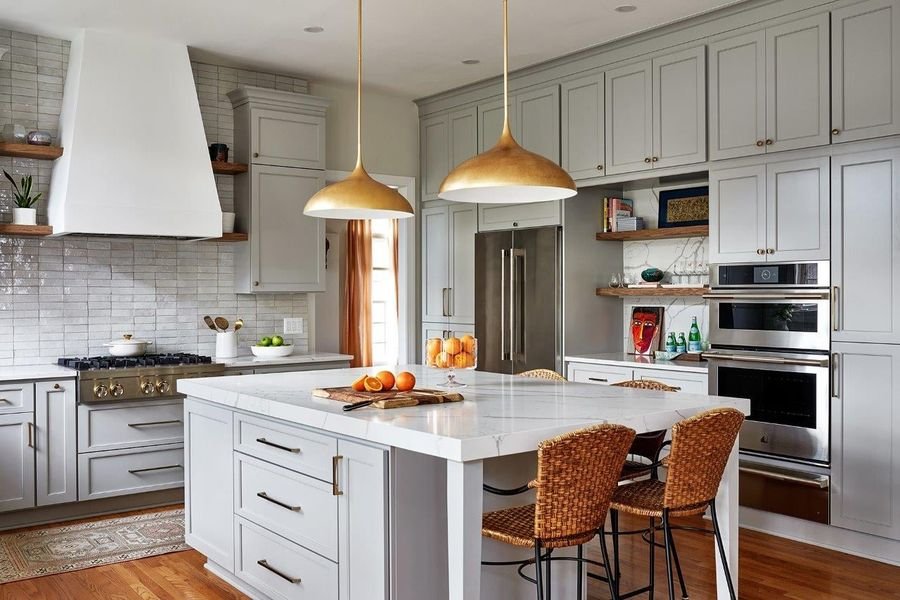
Modern kitchen upgrade featuring functional layout and elegant finishes

Custom Cabinetry

There’s a big difference between semi-custom cabinets and fully custom cabinetry — and a big difference in price. Custom cabinets are built specifically for your space, your ceiling height, your layout. They look incredible. They’re also a significant investment.

Many homeowners don’t make this decision consciously. They start looking at Pinterest, they fall in love with a kitchen, and they don’t realize that the kitchen they love has $40,000 worth of custom cabinetry in it. We help clients understand what they’re actually choosing before they commit.

Mechanical Updates: HVAC, Electrical, Plumbing

Homes from the 1950s and 60s were built to different standards. Electrical panels that were fine for that era are no longer adequate for modern appliances and smart home systems. Plumbing that’s lasted 60 years may be on borrowed time. HVAC systems that haven’t been replaced in 20+ years are inefficient and sometimes unsafe.

When we do a full renovation, we often discover that the mechanicals need updating. It’s not glamorous — you don’t get to see a shiny new panel the way you see a shiny new kitchen — but it’s essential, and it protects your investment.

Budget for it. Don’t skip it.

All the Windows

Replacing one or two windows? Relatively manageable. Replacing all 20 windows in a 2,500 sq ft home? That’s a different conversation. New windows are one of the bigger line items when you go whole-house, and they’re also one of the best investments — for energy efficiency, comfort, noise reduction, and curb appeal.

If windows are part of the scope, make sure your contractor is quoting the full count, not just the ones that are obviously failing.

Layout Changes

Moving a bathroom, relocating a kitchen island, turning two small rooms into one — these changes require moving plumbing, electrical, and sometimes HVAC. Every trade has to come back in. The cost compounds quickly when you start moving things.

I always tell clients: we can do almost anything, but layout changes are expensive. Make sure you love the new layout before we start demo.

Quick Takeaway

Some of our most grateful clients are the ones who came in thinking they needed a full renovation and left with a smaller, well-planned scope. The value they got — without the disruption — blew them away

My Honest Opinion: Why Pre-Construction Is Where the Project Is Won or Lost

  • I’m going to share something I feel strongly about, because I think it’s the most important thing in this entire post.

    The single biggest difference between renovation projects that go smoothly and ones that turn into nightmares isn’t the budget, the materials, or even the contractor. It’s how much the homeowner trusts the design-build process — specifically the pre-construction and design phase.

    Pre-construction is where we figure out exactly what you want, what’s structurally possible, what the real costs are, and how to sequence the work. It’s where we catch the surprises before they become expensive changes mid-project. It’s where we align on every decision so that when construction starts, we’re not stopping to make choices that should have been made weeks ago.

    Homeowners who engage fully in this process — who show up to the design meetings, who ask hard questions, who trust our expertise while also sharing their vision — those homeowners end up with projects they love, at budgets they understood going in.

    Homeowners who skip this phase, or who try to shortcut it to save money, almost always regret it. Not because we do anything wrong. But because you can’t build someone’s dream home if you don’t know what their dream is.


A Word About Choosing the Right Firm

One more thing I want to say, because I think it matters: how long a company has been in business does not automatically mean they’re the right fit for your project.

I’ve seen companies with 30 years of experience do mediocre work. I’ve seen newer firms who are hungry, meticulous, and exceptional. The questions you should be asking a potential contractor aren’t just about their years in business — they’re about their process, their communication style, who will actually be managing your project, and whether they understand your vision.

Ask to see recent projects. Ask how they handle surprises. Ask what their pre-construction process looks like. Those answers will tell you more than a founding date ever will.


Don’t Let Budget Be the Reason You Keep Living With a Home You Don’t Love

Here’s something we see all the time: a homeowner has a real problem. Maybe it’s a kitchen that doesn’t work. A bathroom that’s embarrassing to show guests. A layout that makes no sense for how their family actually lives. They know what they want. They just don’t have the cash sitting in an account to pay for it all at once.

And so they wait. And wait. And the problem doesn’t go away — it just bothers them every single day.

We offer financing options for exactly this reason. Because a renovation that improves your daily life, adds value to your home, and solves a real problem shouldn’t be out of reach just because of cash flow.

When you spread a $150,000 renovation over a financing plan, the monthly payments become very manageable — often less than people expect. And the return? You get your home back. You stop dreading Sunday mornings in a kitchen you hate. You stop apologizing for the guest bathroom.

 
 So… What Will Your Project Cost?

The honest answer is: I don’t know yet — and neither does anyone else who hasn’t walked through your home with you.

What I do know is this:

•        A Refresh package can make a dramatic difference for $100,000 – $175,000

•        A full interior renovation typically runs $175,000 – $350,000

•        Add the exterior and you’re looking at $350,000 – $500,000+

•        What moves the needle most: load-bearing walls, custom cabinetry, mechanical updates, windows, and layout changes

•        The most important investment you can make before construction starts is a thorough pre-construction process

If you’re a Westerville-area homeowner who’s been thinking about a renovation — whether you’re just starting to research or you’re ready to get a quote — we’d love to talk.

We’ll walk through your home, understand what’s bothering you most, talk through what’s realistic for your budget, and help you figure out whether a Refresh package, a full renovation, or something in between is the right move for you.


Y2 Design Build | Columbus, Ohio | Design-Build Firm & General Contractor

This is a question that has perplexed many of our valued clients – and the answer isn’t always straightforward.

It all boils down to a few key factors…

In the grand scheme of things, houses can often be fixed or revamped, but some aspects are unchangeable. If you find yourself dissatisfied with your neighborhood, the lot, local schools, parking arrangements, or other elements that aren’t easily altered, it might be time to contemplate a move.

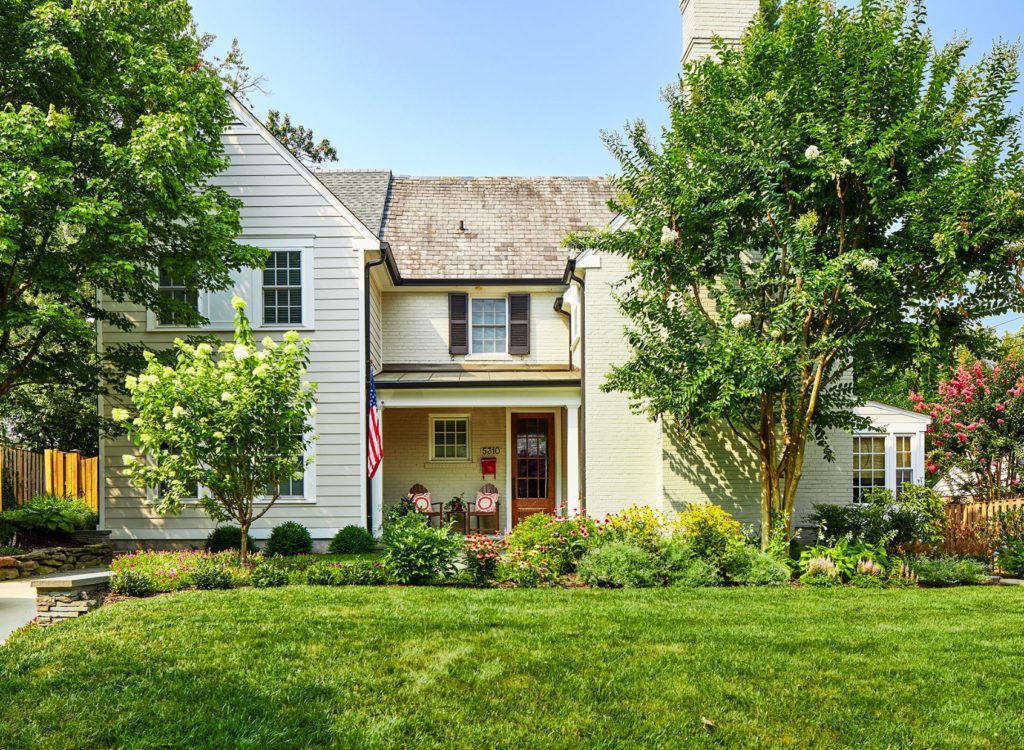
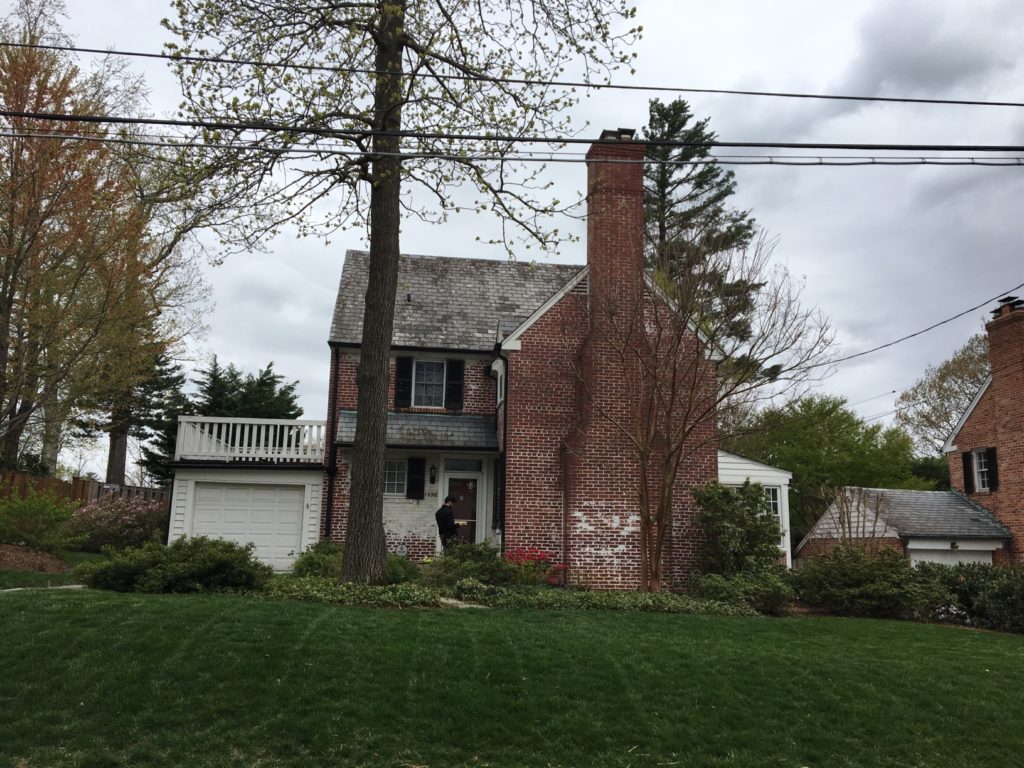
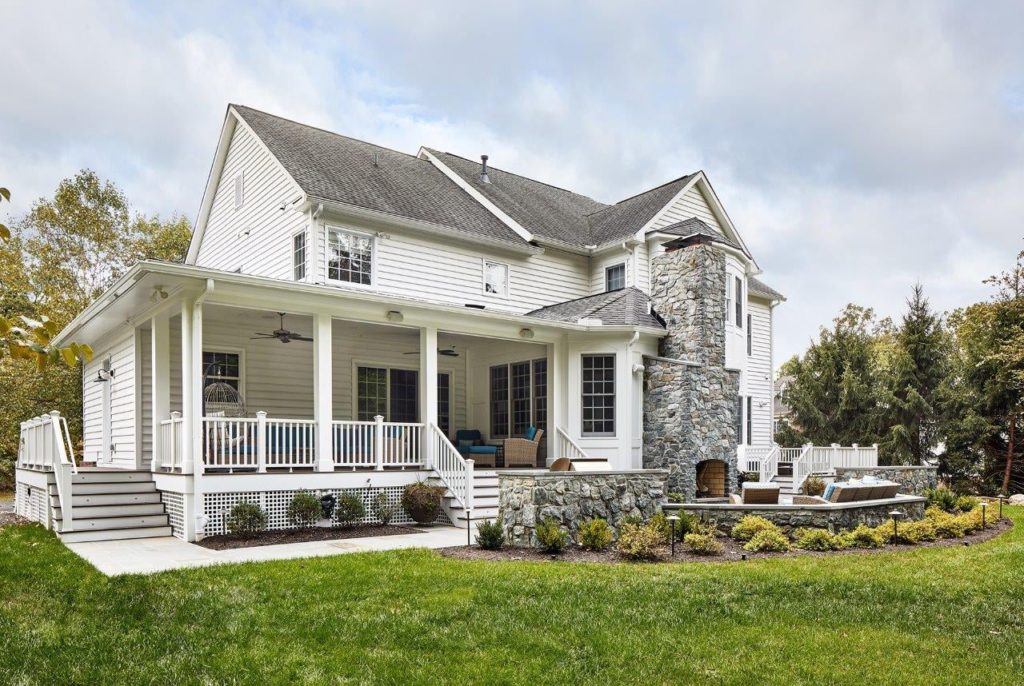
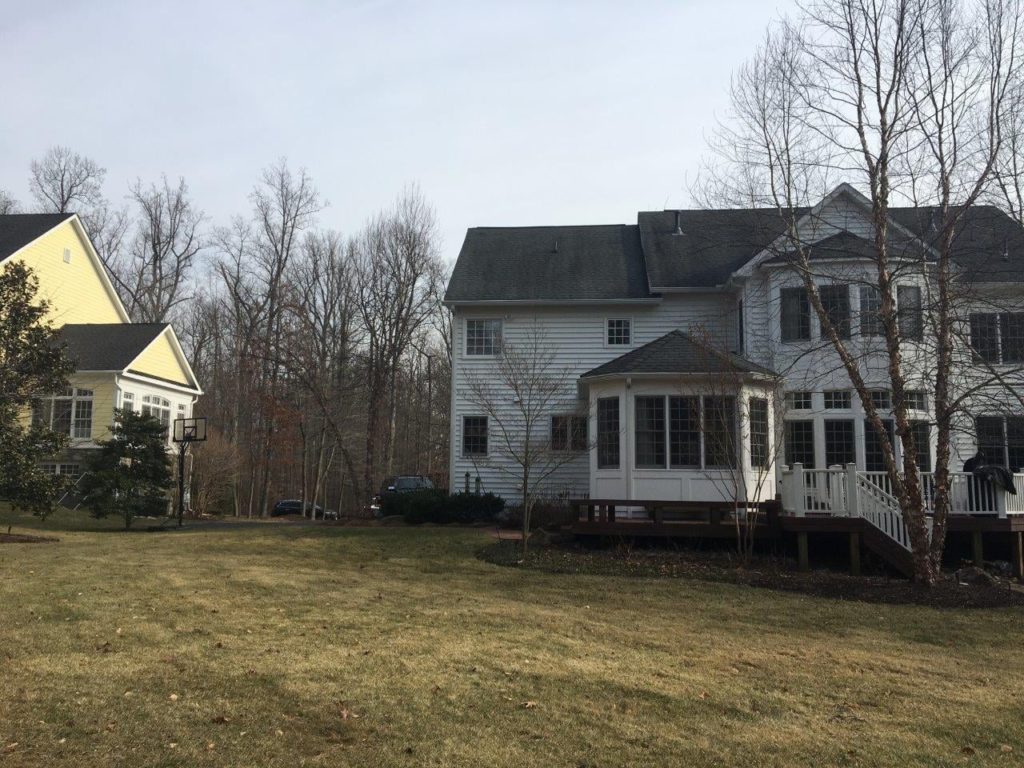
However, if you adore your current location but aren’t quite smitten with your home, we’re here to lend a hand. Homes have the incredible potential for transformation, whether it’s through expanding space, reconfiguring floor plans, modernizing kitchens and baths, enhancing curb appeal, or creating inviting outdoor living areas.

Houses can also evolve to match the evolving stages of your life. This could mean adding extra bedrooms and bathrooms for a growing family, incorporating a convenient first-floor suite for single-level living, or optimizing a basement to accommodate multiple generations living under one roof.

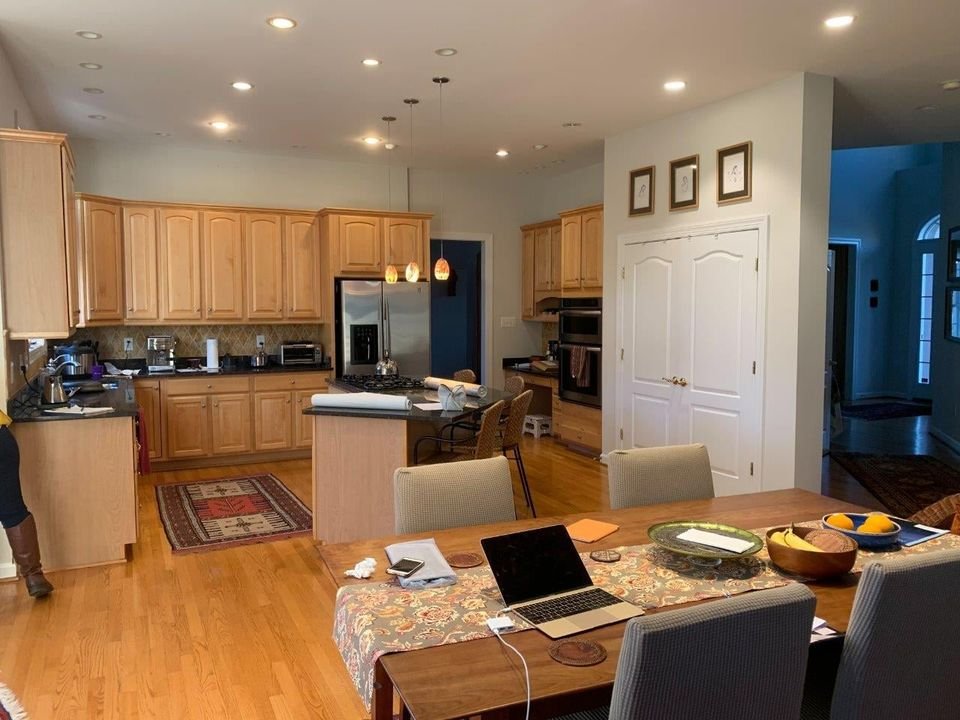
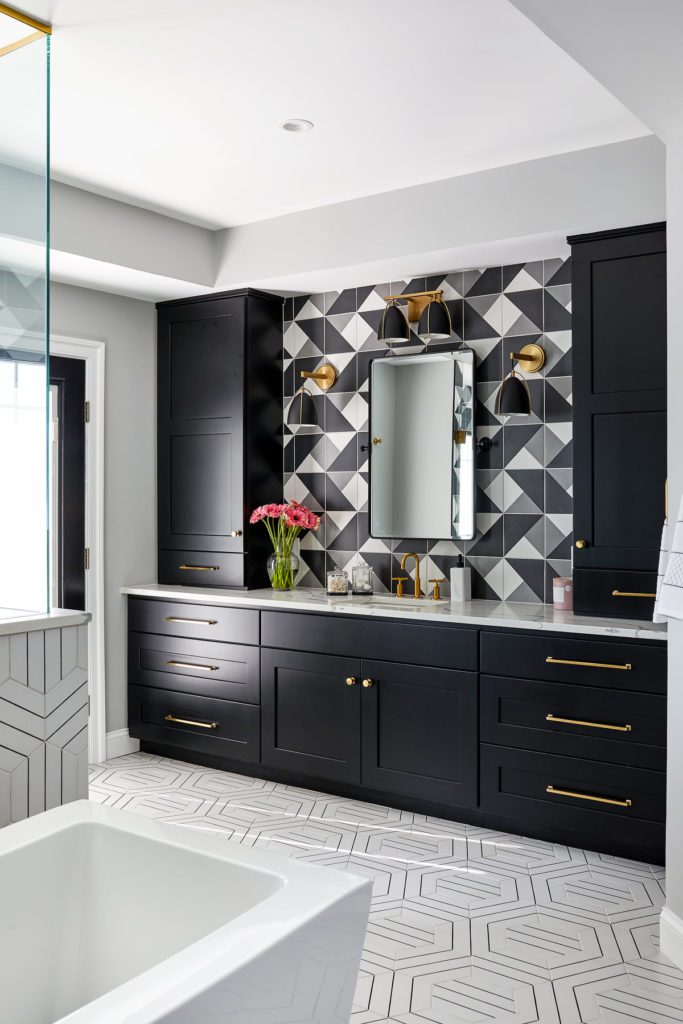
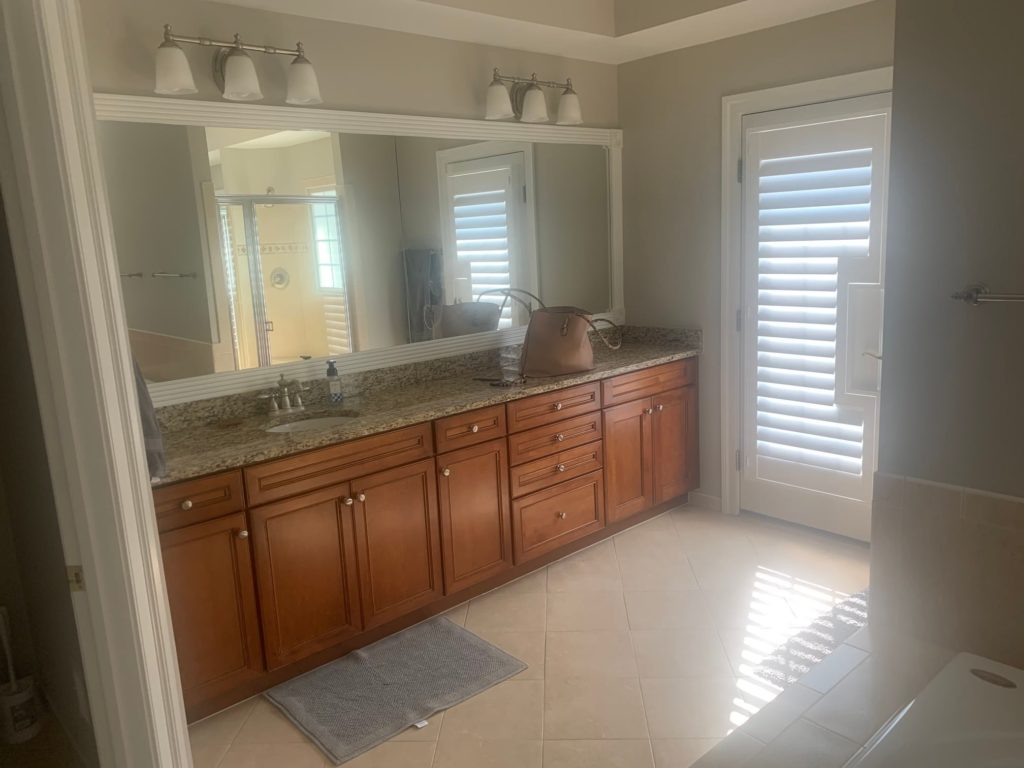
After

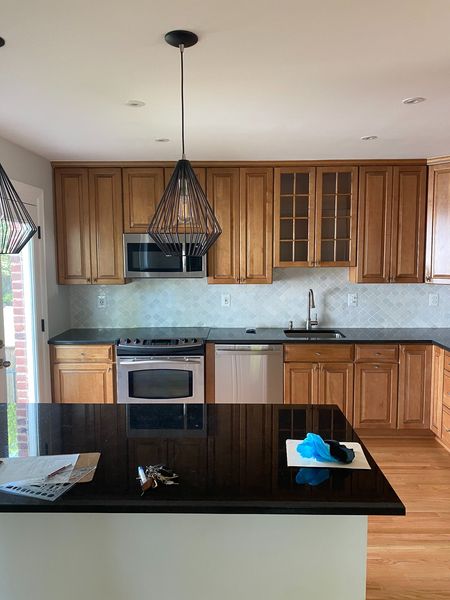
Before

After

Before

After

Before

After

Before

After

Before

So, the age-old question remains: Love it or list it? It’s a significant decision. If you’re interested in discussing your unique situation with one of our experts, please schedule an appointment here. For a dose of design inspiration, feel free to explore our portfolio here.”